



Specialist Disability Accommodation (SDA).

A home designed around how you live.
Whether you’re looking for an SDA home in Melbourne or regional Victoria, or simply trying to understand how Specialist Disability Accommodation works, we can help you make sense of your options and what comes next.
First things first. What is SDA?
Specialist Disability Accommodation, or SDA, is housing designed for people with extreme functional impairment or very high support needs. SDA homes include specialist design features that can make everyday life more accessible, safer and more independent, while helping supports to be delivered effectively at home.
For eligible NDIS participants, SDA funding contributes towards the specialist accommodation itself. Everyday living costs and the support you receive within the home are separate.
SDA is the home. SIL is the support.
It’s an important distinction.
SDA
Specialist accommodation designed around disability-related needs.Explore SDA homes


SIL
Assistance and support with everyday life at home, where Supported Independent Living is funded in your NDIS plan.Learn more about SIL
Some people may have funding for both SDA and SIL in their NDIS plan. They are funded separately, giving participants flexibility in how their housing and support are provided.
Could SDA be right for you?

SDA is designed for eligible NDIS participants with extreme functional impairment or very high support needs. The NDIA determines whether SDA meets the relevant needs and NDIS funding criteria. If you're starting to explore whether SDA could be right for you, it can help to think about:
- What's working, and not working, about where you live now?
- Where would you like to live?
- What accessibility or specialist features would make everyday life easier?
- Would you be able to live on your own or with others?
- What support would help you live the life you want?
Your Support Coordinator, Specialist Support Coordinator, Occupational Therapist, Behaviour Support Practitioner and other members of your support team can help you understand the process and build the evidence you may need.
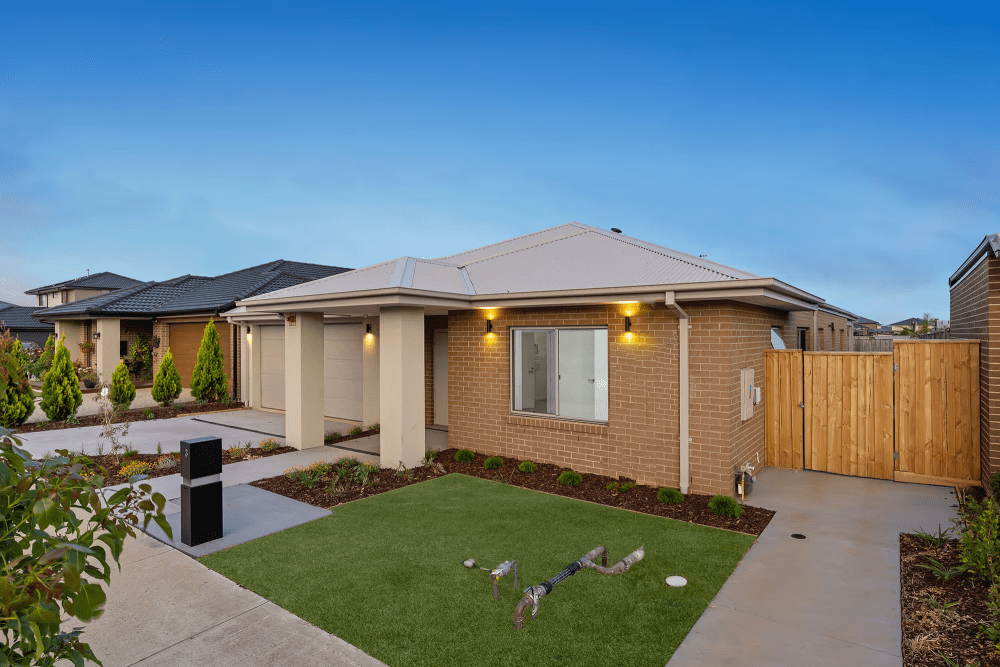

Different homes for different needs.

Improved Liveability
Designed to improve liveability for people with sensory, intellectual or cognitive impairment.
Fully Accessible
A high level of physical accessibility for people with significant physical impairment.
High Physical Support
Highly accessible homes for people with significant physical impairment and very high support needs. Features may include assistive technology, ceiling-hoist provisions and capacity for onsite overnight assistance.
Robust
Homes with increased resilience and safety features for people who may need a more robust physical environment.
How does SDA funding work?
SDA funding contributes to the specialist housing costs for eligible participants. Residents generally continue to contribute towards rent and everyday living expenses such as utilities and other personal costs. Support provided in the home is funded separately.
Your NDIS plan will set out important details about your SDA funding, which may include the approved design category, building type and location. These details help determine which homes may be suitable.
If you’re unsure what your plan covers, your Support Coordinator or NDIS contact can help you understand your funding.
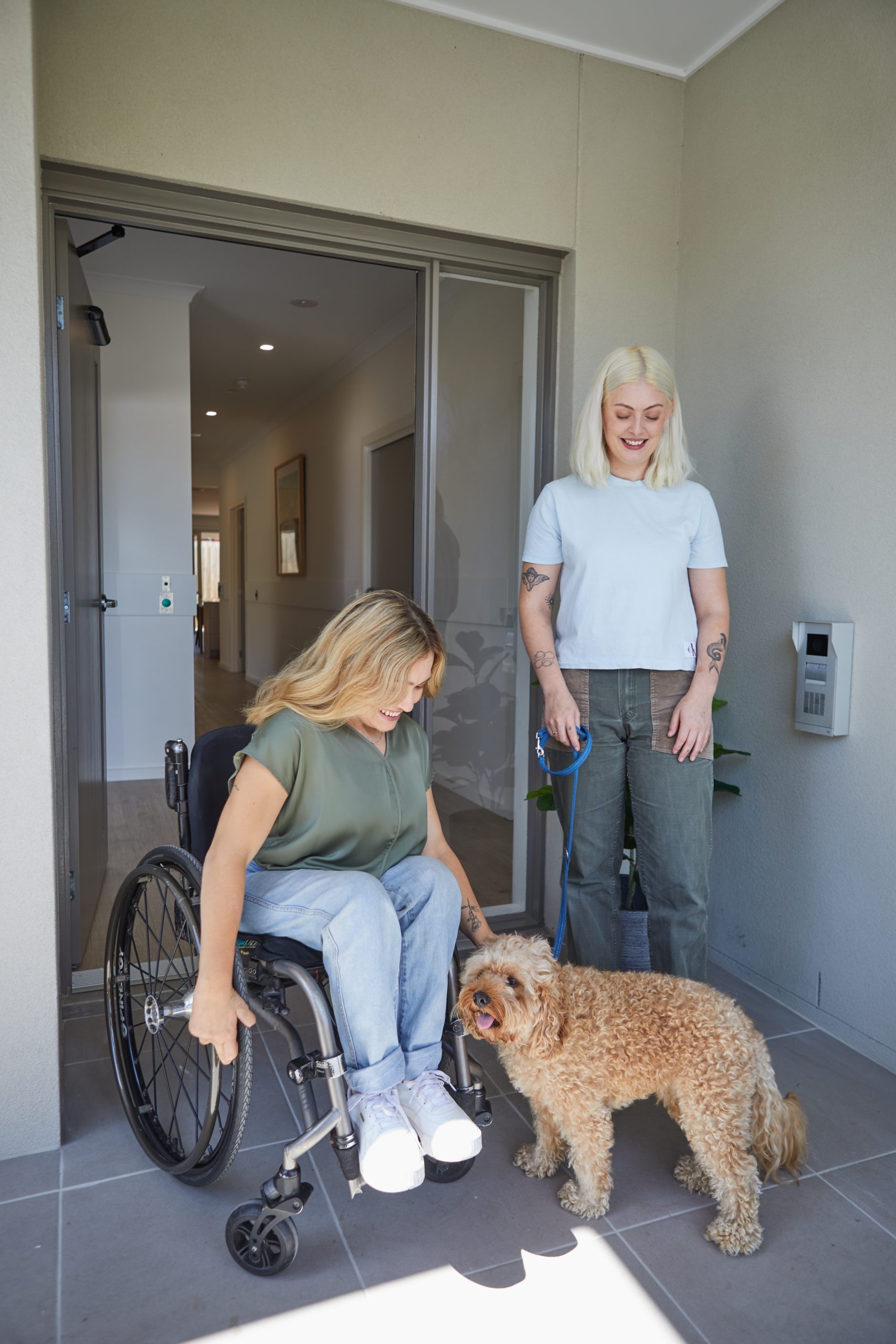
How do I apply for SDA funding?


The NDIS provides information about requesting home and living supports, the supporting information you may need and how to submit your request.
A Support Coordinator or Specialist Support Coordinator can help you navigate the process, while an Occupational Therapist (OT) can assess your housing needs and provide important supporting evidence.
Get a guide from the NDIS (opens in a new tab)Once your evidence is ready, it can be submitted to the NDIA for consideration as part of your home and living request.
A Support Coordinator or Specialist Support Coordinator can help you with this process.
If you don’t have a Support Coordinator or Specialist Support Coordinator, you can still start the process yourself. The NDIS provides a Home and Living supporting evidence form to help you explain your current living situation, your support needs and the type of home and living arrangement you’re seeking. You can submit this to the NDIA along with supporting reports and other relevant evidence.
You can start exploring your options now.
You don’t need to wait for your SDA funding decision to start thinking about where and how you would like to live.
You can explore available and upcoming homes, speak with housing and support providers, and consider the support you might need in your new home.
Approved for SDA? Here’s what happens next.

Once SDA funding has been approved and included in your NDIS plan, you can start looking for properties that match your approved funding, design category, needs and preferences.
CareChoice’s Housing & Transition Support team can help you explore:

Homes available now
Current SDA vacancies that may suit your approved funding and needs.
Upcoming homes
Properties that are under development or becoming available soon.
Specific builds and other opportunities
If the right property isn’t currently available, CareChoice can work with its SDA housing partners to explore other possibilities.
Transition support
If you’re moving from hospital, rehabilitation or another living arrangement, CareChoice can help coordinate the move and the supports you’ll need around it.
Helpful SDA information
For independent information about SDA, your rights and the NDIS process:
Consumer Affairs Victoria: For SDA residents provides information about residency agreements, rent, rights and responsibilities, repairs, complaints and other protections for Victorian SDA residents. Importantly, its guidance was updated following Victorian law changes that commenced on 1 July 2026.
NDIS: Specialist Disability Accommodation provides official information about SDA and how the NDIA considers SDA within its funding framework.
Not sure whether that sounds like you?

You don’t need to work it out alone. You can talk to us and your Support Coordinator, Occupational Therapist and other members of your support team can also help you understand your options and gather the evidence you may need.
FAQs
Ready to see what’s out there?

Whether you already have SDA funding or are just starting to understand what’s possible, our Homes team can help you explore your next step.
Supporting someone else? We work with families, Support Coordinators, Occupational Therapists, health professionals and other care partners to explore suitable housing opportunities.